

How An Endocrinologist Can Help With Weight Loss
Struggling to lose weight? Learn how an endocrinologist can uncover potential barriers and help you find an approach that works.
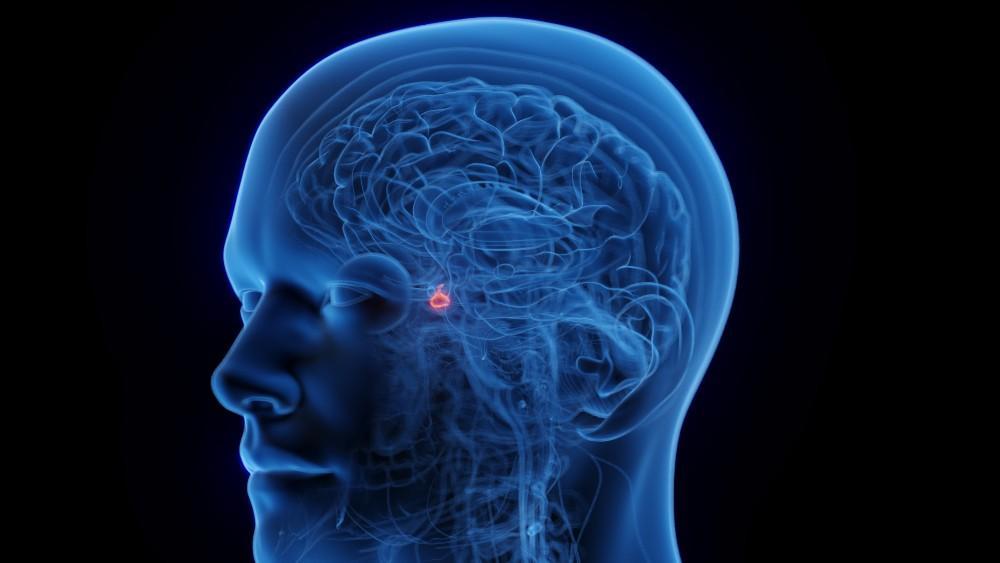
Fatigue, mood changes, and unexplained weight gain or loss can have many possible causes. When several symptoms develop without a clear explanation, however, they may point to a problem with the hormones that regulate important functions throughout your body.
Your pituitary gland plays a central role in hormone regulation. Changes in pituitary function can affect your thyroid, adrenal glands, reproductive system, growth, and other processes, sometimes producing symptoms that may initially seem unrelated.
At Sarah Fishman Premier Endocrine in New York City, endocrinologist Sarah Fishman, MD, PhD, evaluates hormonal concerns and pituitary disorders. Identifying which hormones are affected can help Dr. Fishman determine what’s behind your symptoms and recommend appropriate treatment.
The pituitary is a small gland located at the base of your brain. Despite its small size, it produces hormones that regulate or influence several other glands in your endocrine system.
These hormones support thyroid function, cortisol production, reproduction, growth, and fluid balance. A pituitary disorder can cause the gland to produce too much or too little of a particular hormone.
Pituitary problems may result from tumors, inflammation, injury, or other conditions. Most pituitary tumors are noncancerous, but they can still disrupt normal hormone production.
Persistent fatigue can occur when a pituitary problem affects hormones involved in thyroid or adrenal function. You may feel exhausted despite getting enough sleep or find that activities you usually manage easily require more effort.
Hormonal imbalances can affect metabolism, appetite, and body composition. For example, inadequate thyroid stimulation from the pituitary can contribute to symptoms associated with an underactive thyroid, including weight gain.
Excess production of adrenocorticotropic hormone (ACTH) can cause the adrenal glands to produce too much cortisol. This condition, known as Cushing disease when caused by a pituitary tumor, can lead to weight gain and changes in where your body stores fat.
Changes in hormone levels can affect emotional well-being as well as physical health. Depending on the underlying disorder, you may experience irritability, depression, anxiety, difficulty concentrating, or other changes in how you feel.
Other possible signs of a pituitary disorder include:
The symptoms vary considerably depending on which pituitary hormones are affected.
Symptoms alone cannot identify a pituitary disorder. Dr. Fishman may review your symptoms and medical history and order blood tests to measure specific hormone levels.
The results can help determine which part of the endocrine system may not be functioning normally. Additional testing may include an MRI to examine the pituitary gland and surrounding structures.
Persistent fatigue, unexpected weight changes, or mood shifts don’t always have an obvious explanation. When hormones are involved, identifying the imbalance is an important first step toward determining appropriate treatment.
If you’re experiencing unexplained symptoms that could be related to a hormonal disorder, call the office or book an appointment online.


